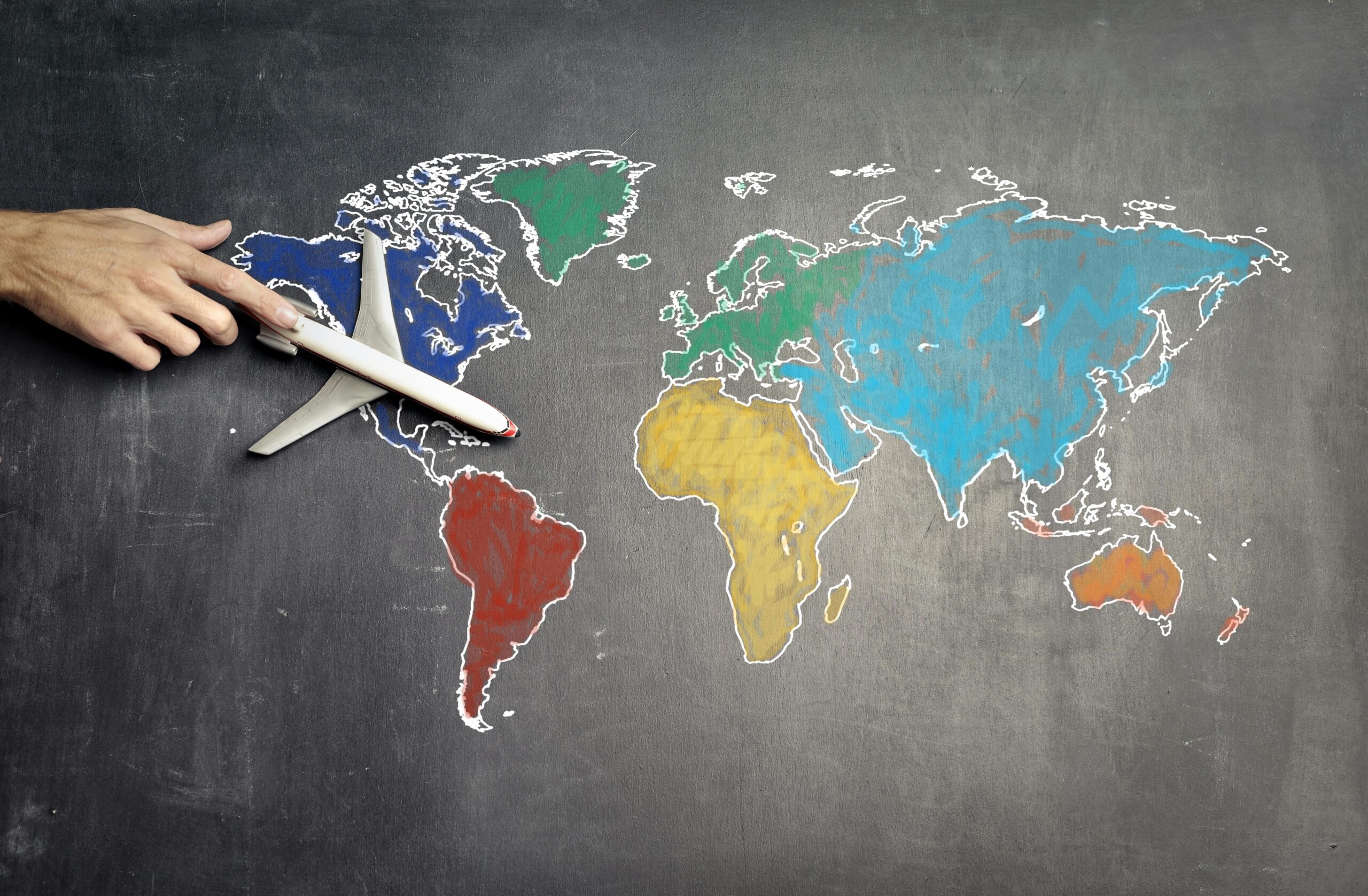

As companies expand internationally, managing teams across multiple time zones and cultural environments becomes a new operational challenge. While access to global talent provides significant advantages, organizations must develop structured communication, management, and collaboration practices to ensure productivity and alignment.
Time zone differences can be leveraged as a benefit when workflows are properly planned. Distributed teams allow work to continue beyond traditional office hours, increasing operational efficiency and responsiveness. However, this requires clear expectations, defined reporting structures, and well-documented processes so that teams remain coordinated.
Cultural awareness is equally important. Communication styles, workplace expectations, and management approaches can vary widely between regions. Companies that invest in cultural understanding and inclusive management practices build stronger engagement and long-term team stability.
Technology plays a central role in enabling distributed collaboration. Project management tools, communication platforms, and documented workflows help maintain transparency and accountability across borders.
With the right operational structure, global teams can become a powerful advantage rather than a management obstacle, allowing businesses to scale efficiently across regions.